Sattar Buksh Vs. Starbucks: The “David Vs. Goliath” Trademark Victory
Sattar Buksh defied the odds against Starbucks in a trademark battle. Learn how this small cafe triumphed and what it means for your brand!

Have you ever stared at your cafe logo and wondered, “What if a bigger brand says I’m too close?”
That worry can feel very real when the other side is global.
In this guide, I’ll walk you through the Sattar Buksh vs. StarBucks trademark fight, what the courts focused on, and what you can copy (the smart parts) to protect your own brand.
Let’s make it practical and clear.
Key Takeaways
- Sattar Buksh launched in Karachi in 2013 with a green circular logo featuring a mustached man and a name that echoes Starbucks phonetically.
- Starbucks argued trademark infringement and trademark dilution, claiming the name and logo similarity could cause consumer confusion.
- Local reporting in September 2025 described a win for Sattar Buksh, with the court accepting parody cues and disclaimers as part of the real-world context.
- One detail that matters for confusion arguments: Starbucks has stated to Pakistani regulators that it has not opened an official franchise in Pakistan.
- For U.S. cafe owners, the biggest “do this first” step is still the same: run a proper trademark search, then file early and save proof of use.
- The USPTO lists a base trademark application fee of $350 per class, so budgeting for protection is usually cheaper than budgeting for a rebrand later.

Origins and Concept of Sattar Buksh
Sattar Buksh started as a playful cafe concept in Karachi in 2013, blending local humor with global coffee trends.
It didn’t just sell coffee. It sold a wink, with a brand look that felt familiar, then flipped the details to feel unmistakably local.
One twist that shaped the public conversation is that Starbucks has publicly said it has not opened any official franchise in Pakistan, as described in Pakistani regulator and media reporting.
That context doesn’t automatically “win” a trademark dispute, but it does change how you think about real-world consumer confusion in a market.
What is the story behind Sattar Buksh’s launch in Pakistan?
Rizwan Ahmed Malik and Adnan Yousuf, both from an advertising background, launched the cafe in 2013 in Karachi.
Reporting has consistently pointed to the first outlet opening in Clifton Block 4, an area known for newer, trend-forward coffee shops and dining.
From the start, the concept leaned into shareable branding, including social-first photos and menu naming that was built for conversation.
- A clear point of view: the name and visuals were designed to land as satire, not as a “generic coffeehouse” label.
- A recognizable format: the green circular badge made it instantly legible as a cafe logo from a distance.
- A local anchor: the moustache and South Asian cues signaled “Karachi,” not “Seattle.”
How does Sattar Buksh blend local humor with global café trends?
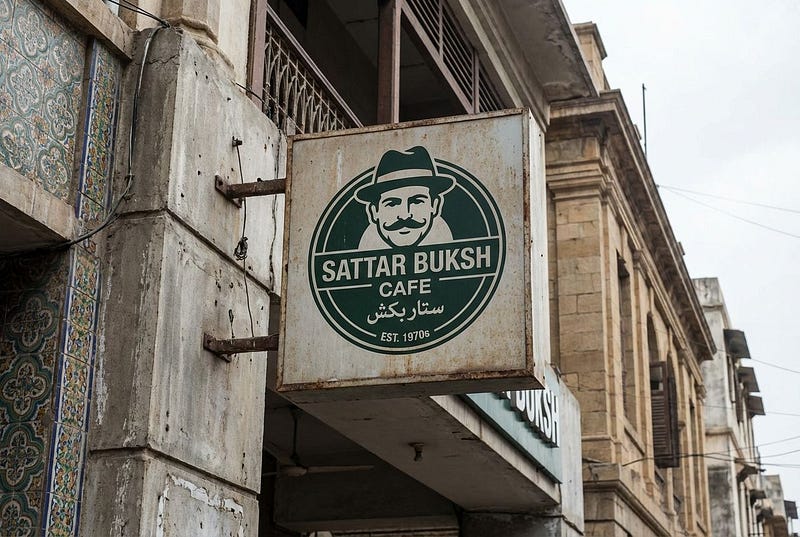
The first thing most people notice is the logo: green, circular, and centered on a mustached man.
The name “Sattar Buksh” also plays on the sound of Starbucks, which is exactly why the dispute later touched on trademark infringement concepts like similarity and confusion.
The menu strategy helps explain the intent. Alongside coffeehouse staples, the brand leaned into local and regional flavor cues, then named items in a way that kept the joke alive.
In brand disputes, that kind of “total package” matters because courts often look beyond one element (like color) and consider the full commercial impression.
Starbucks’ Legal Challenge: Trademark Conflict Begins
Starbucks challenged the Sattar Buksh brand on a familiar theory: if the public sees a similar name and a similar logo style, they may assume a connection.
That matters because trademark law is built to prevent consumer confusion about source, sponsorship, or affiliation.
What trademark infringement claims did Starbucks make against Sattar Buksh?
Starbucks’ position, as commonly reported, was that the branding created deceptive similarity: a close-enough name, a close-enough badge-like logo, and the same product category (coffee shops).
It also leaned on trademark dilution language, which is the argument that copying or echoing a famous brand can weaken the distinctiveness of that brand even if you never meant to confuse anyone.
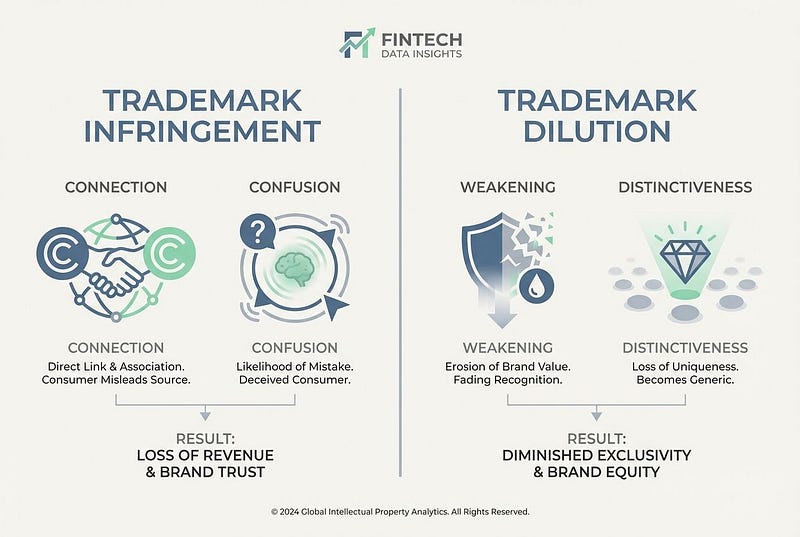
How can brand similarity cause consumer confusion?
Confusion usually shows up in a few predictable places: what people say when they walk in, what they type into maps, and what they assume from a quick glance at signage.
That’s why disputes like Sattar Buksh and StarBucks often focus on sound-alikes (phonetic resemblance), look-alikes (visual similarity), and whether the services overlap.
If your name and logo are both “close,” you increase the risk. If only one element is close, you still need to design the rest of your brand to clearly pull away.
Analyzing Trademark Dispute Core Issues
This dispute sits at the intersection of trademark law and parody.
The practical question is simple: did the brand make people think it was Starbucks (or endorsed by Starbucks), or did it make people laugh because it clearly was not?
What are the arguments for trademark infringement versus parody defense?
For Starbucks, the argument is straightforward: similarity in name, similarity in logo style, same category, so the public may assume a connection.
For Sattar Buksh, the defense leans on intent and context, satire signals, and disclaimers that frame the brand as a joke with local identity.
In Pakistan, one relevant legal concept in public discussion of this case is the protection of “well-known” marks, which can apply even when a brand does not operate locally.
- Infringement focus: similarity, related services, and any evidence of actual consumer confusion.
- Parody focus: the brand must evoke the original enough to make the joke, but also differ enough to show it is not the original.
- Reality check: disclaimers help, but they work best when the entire experience also looks and feels different.

How similar are the phonetic and visual elements of the two brands?
The phonetic similarity is the obvious flash point: “Sattar Buksh” and “Starbucks” have a comparable rhythm and ending sound.
Visually, the shared cues are the green circle and the centered figure concept, while the distinctive cue is the mustached man replacing the siren-style imagery.
If you’re building a cafe brand, this is a useful lesson: courts and customers don’t analyze one detail at a time, they absorb the whole look at once.
Detailing the Courtroom Clash: Sattar Buksh vs. Starbucks
At a high level, the courtroom fight came down to evidence.
Starbucks needed to show the brand similarity was likely to mislead consumers, and Sattar Buksh needed to show the opposite, that customers understood the satire and the brands were meaningfully different in context.
What arguments did Starbucks present against Sattar Buksh?
Starbucks pointed to overlap in name sound, the green circular logo format, and the fact both operate as coffee shops.
That combination is often enough to trigger a serious legal battle because it hits the two things courts weigh first: mark similarity and service similarity.
How did Sattar Buksh defend itself in court?
Sattar Buksh leaned into parody and local identity and used disclaimers to reduce confusion.
It also used marketing materials, menu language, and public reaction to show the brand was “in on the joke,” not trying to pass as Starbucks.

- Save your proof early: dated photos of storefront signage, menus, cups, and packaging.
- Track how customers describe you: reviews, social comments, and common misspellings can help show whether confusion exists.
- Write your disclaimer like a customer would read it: short, plain language, placed where people actually decide to buy.
- Document your design choices: a simple brand rationale can help show independent creation and intent.
Pakistani Court’s Decision on the Dispute
Local reporting described a Pakistani court decision that sided with Sattar Buksh, finding the parody cues and context persuasive and the likelihood of confusion low.
This matters beyond one cafe because it shows how courts can weigh culture, humor, and marketplace reality alongside legal tests.
Why did the court rule in favor of Sattar Buksh?
As described in September 2025 coverage, the court accepted that the branding was meant as satire and that Sattar Buksh used signals (including disclaimers) to separate itself from Starbucks.
That matters because parody only works, legally and practically, if consumers get the second message: “this is not the original.”

A key lesson for small brands: if your concept depends on “recognizable,” you have to invest just as hard in “clearly different.”
What impact does this decision have on intellectual property law?
It pushes one big idea into the spotlight: similarity is not judged in a vacuum.
Courts can consider commercial impression, cultural context, and whether consumers are actually likely to assume affiliation.
For readers in the United States, the biggest takeaway is the mindset: build a brand that can explain itself clearly, because that story often shows up in legal filings later.
Guidance for Small Enterprises: Safeguarding Your Brand
If you run a cafe in the United States, you can learn from Sattar Buksh and StarBucks without copying the risk.
Start with a trademark plan that matches your growth plan, then document everything as you go.
What strategies can small businesses use in trademark disputes?
- Do a clearance search before you fall in love with the name. Check close spellings, sound-alikes, and look-alike logos, not just exact matches.
- File early, then keep proof of use. Save dated menus, packaging, screenshots of your online ordering page, and photos of exterior signage.
- Get local counsel early. A short consult before you scale can be far cheaper than a forced rebrand after you grow.
- Design for distance. If your sign is readable from across the street, make sure it is also clearly yours from across the street.
- Use disclaimers as support, not as a crutch. They work best when the rest of your identity also separates you.
What it can cost to protect a U.S. trademark (so you can budget)
The USPTO lists a base application filing fee of $350 per class, and it also lists ongoing maintenance fees after registration (fees vary by what you file and when).

How can businesses balance creativity with legal restrictions?
Be creative in the parts that build your own identity: your story, your menu, your typography, your tone, and your customer experience.
Be cautious with the parts that courts treat as shortcuts to confusion: a sound-alike name in the same category, and a logo that echoes a famous “shape plus color” combo.
If your idea is parody, make the “not affiliated” message easy to spot, and make the rest of the brand visually distinct enough that the joke lands without a second explanation.
Post-Trial Impact on Sattar Buksh
After the decision, social media attention helped turn the dispute into a story people wanted to share.
That kind of attention can be a growth engine, but only if the brand uses it to build long-term trust, not just short-term buzz.
How did the public respond to the court’s decision and what recognition followed?
Coverage in 2025 highlighted how quickly the story spread online, with memes and commentary framing Sattar Buksh as the underdog in a “David vs. Goliath” moment.
For a cafe brand, that matters because earned media can become brand memory, the thing people recall first when they see your sign.
How is Sattar Buksh leveraging its legal victory strategically?
- Make the story easy for staff to tell: a 15-second version customers can repeat.
- Turn attention into repeat visits: loyalty offers, seasonal drinks, and community events that stand on their own.
- Strengthen your brand system: consistent fonts, packaging rules, and signage standards so you look like a real company, not a copy.
- Keep filing and documenting: a win is a moment, but brand protection is a habit.
Conclusion: A Victory for Local Operators Against Multinational Corporations
The Sattar Buksh case is a useful reminder that a trademark fight is rarely about one detail, it’s about the whole customer impression.
Courts look at similarity, consumer confusion, and whether your brand acts like its own independent business.
If you run a cafe in the United States, take the lesson without taking the gamble: search early, file smart, save your proof, and build a brand that stands on its own even from across the street.