Is the Global Supply Chain Ready for a Middle East Meltdown?
Is your supply chain ready for disruption? Explore how the Middle East conflict threatens oil, shipping lanes, and logistics stability.
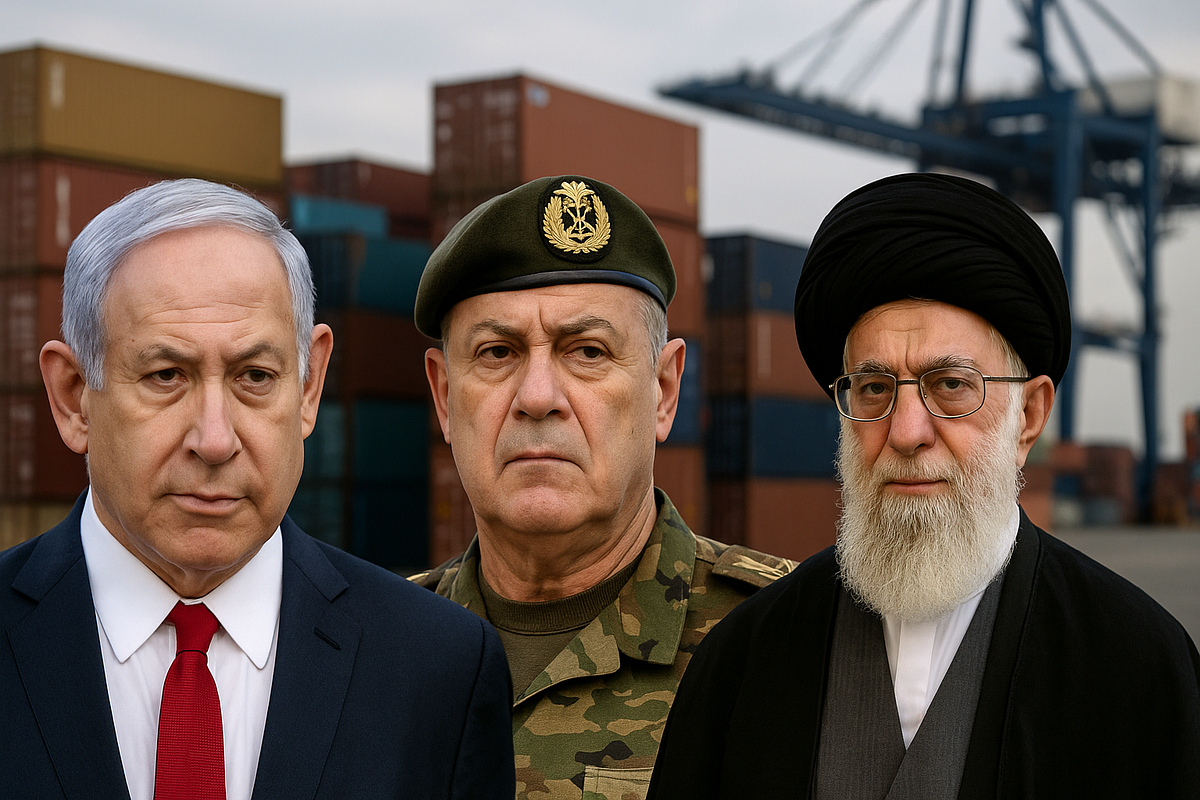
Global supply chains are once again facing a critical test — and this time, it’s not a pandemic or natural disaster, but the intensifying Middle East conflict supply chain impact. As tensions escalate between Israel and Iran, the ripple effects are being felt far beyond the borders of the region. Oil prices are spiking, freight costs are climbing, and multinational companies are scrambling to reroute shipments.
The Middle East remains a strategic node in global trade, with vital chokepoints like the Strait of Hormuz and Suez Canal controlling the flow of oil, gas, and manufactured goods between continents. As missiles fly and war rhetoric grows louder, so do fears that global logistics could grind to a halt if the conflict continues to escalate.
This article explores just how vulnerable the global supply chain is to a Middle East meltdown — and whether businesses and governments are truly prepared for the worst-case scenario. From energy markets to manufacturing and pharmaceuticals, the Middle East conflict supply chain impact is already showing signs of stress. But is it just the beginning?
How the Middle East Anchors Global Trade
The Middle East conflict supply chain impact cannot be overstated when considering the region’s strategic role in global commerce. For decades, this area has served as a vital bridge between East and West — not only for oil but also for containerized freight, aviation routes, and critical raw materials. As tensions flare, the global logistics system is once again reminded of how heavily it depends on Middle Eastern stability.
Strategic Importance of the Strait of Hormuz
At the heart of the region’s geopolitical importance lies the Strait of Hormuz — a narrow waterway between Oman and Iran through which approximately 20% of the world’s oil supply flows. Even brief disruptions in this corridor can cause crude prices to spike and trigger panic buying on the global market.
With Iranian threats of naval retaliation and Israeli intelligence monitoring military build-ups, shipping companies are growing wary. Several oil tankers have already rerouted to avoid potential missile strike zones or naval blockades, resulting in longer delivery times and rising freight costs.
Maritime Routes and Oil Tankers at Risk
Beyond Hormuz, the Red Sea and Suez Canal are equally exposed. In recent weeks, reports indicate that Houthi-aligned forces in Yemen — a known Iranian proxy — have already launched drone attacks on vessels perceived to be linked to Western allies. These attacks are pushing shipping insurers to increase premiums, and carriers are delaying high-value or sensitive cargo in response.
Global supply chains rely heavily on predictable and secure maritime operations. But as the Middle East conflict supply chain impact worsens, many shipping lines are now reconsidering long-term contracts that pass through these waters.
Energy Shockwaves Across the Globe
Few sectors reflect the Middle East conflict supply chain impact as immediately and dramatically as global energy. As the region teeters on the edge of broader war, markets are already reacting with volatility. Oil and gas aren’t just commodities — they’re the fuel that keeps global transportation, manufacturing, and logistics in motion. Any disruption in the supply chain starts here.
Crude Oil and Gasoline Price Surges
Since the onset of the Israel-Iran confrontation, crude oil prices have surged by more than 12%, reflecting market anxiety over future supply constraints. The mere threat of missile strikes near oil infrastructure in the Persian Gulf has traders hedging aggressively.
Gasoline prices are following suit — affecting not only consumer mobility but also the cost of goods globally. From produce shipments to e-commerce deliveries, higher fuel costs translate directly to higher logistics bills.
In response, nations like the U.S. and Germany have begun tapping into strategic petroleum reserves to cushion the shock. But such emergency measures are short-term solutions to what could become a prolonged conflict.
Impact on Manufacturing and Transport Sectors
The Middle East conflict supply chain impact is also throttling energy-intensive industries such as automotive manufacturing, aerospace, and steel. Many of these sectors are already operating on thin margins post-pandemic, and skyrocketing fuel and raw material costs may force temporary shutdowns or layoffs.
Additionally, the global transport network — particularly trucking and aviation — is feeling the strain. Rising diesel prices are tightening profit margins for haulers, while airlines are rerouting flights away from conflict airspace, resulting in longer travel times and more expensive tickets.
The ripple effect is clear: energy disruptions don’t stay in the Middle East — they travel quickly across oceans, borders, and entire economies.
Freight and Logistics Delays on the Rise
As energy markets wobble under the weight of geopolitical unrest, the Middle East conflict supply chain impact is also being felt across the shipping and logistics industry.
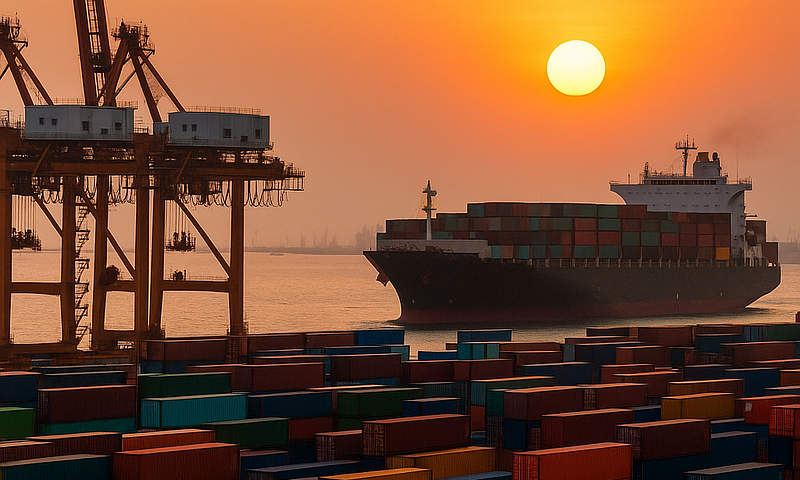
Global trade depends on fast, predictable delivery routes — but conflict zones force detours, delays, and dangerous uncertainty.
Port Congestion and Rerouting Woes
Major shipping carriers are now rerouting vessels away from the Strait of Hormuz and the Red Sea, forcing some ships to take the longer path around the Cape of Good Hope — a detour that adds 10–14 days to journey times. This shift is leading to increased port congestion in Europe and Asia, as vessels pile up at alternate terminals not designed for such capacity.
Container imbalances are already emerging. As goods take longer to circulate between continents, supply chain managers report rising shortages of empty containers in East Asia and delays in Europe-bound deliveries of essential goods like machinery, textiles, and electronics.
Air Cargo and Rail Alternatives
With maritime routes under pressure, logistics firms are turning to air freight — but even that solution has limits. Airlines have begun rerouting flights away from Iranian and Israeli airspace, increasing both time and cost. In addition, Middle East-based air cargo hubs like Doha and Dubai are operating under increased security measures, which could lead to processing slowdowns.
Rail, too, offers limited relief. Overland freight corridors from China to Europe often run through Central Asia and Russia, but those routes carry their own geopolitical baggage and can’t accommodate the volume maritime shipping handles daily.
The net result? Businesses across sectors must now factor increased shipping time, rising freight costs, and inventory shortfalls into their planning — all consequences of the ongoing Middle East conflict supply chain impact.
Supply Chain Vulnerabilities by Industry
The Middle East conflict supply chain impact is not affecting all sectors equally. Certain industries, especially those with complex global sourcing models or time-sensitive logistics, are more vulnerable than others. From auto parts to essential medicine, the disruption is real — and growing.
Automotive and Electronics
The automotive industry, already strained by semiconductor shortages in recent years, is once again facing uncertainty. Key materials like palladium, aluminum, and lithium — often shipped from or through Middle Eastern ports — are at risk of delay or diversion.
Electronics manufacturers, particularly in East Asia, are also dependent on smooth shipping lanes to receive components and export finished goods. Any delay at a transit hub — like Dubai or Jeddah — can throw off global production cycles, especially for just-in-time (JIT) manufacturing models.
The Middle East conflict supply chain impact is now being factored into contingency planning at tech giants and auto manufacturers alike, who fear shutdowns and revenue loss if the conflict continues.
Food and Pharma Logistics
The stakes are even higher in food and pharmaceutical supply chains, where timing and temperature control are everything. Cold chain logistics, crucial for transporting vaccines, insulin, and perishable food items, is highly sensitive to airspace restrictions and rerouting.
Disruptions in regional air freight hubs or delays at customs in alternate routes can lead to product spoilage, delivery failures, and health risks. Humanitarian supply chains, too, are being severely affected. Aid organizations are finding it harder to deliver relief supplies to conflict-adjacent areas like Gaza, Lebanon, and parts of Iraq.
This cascading effect of the Middle East conflict supply chain impact is already being felt in procurement offices around the world — as businesses reassess suppliers, shipping strategies, and inventory buffers.
What Global Companies Are Doing to Respond
In the face of the Middle East conflict supply chain impact, businesses aren’t standing still. From multinational conglomerates to regional logistics providers, many are taking bold steps to adapt, absorb shocks, and prepare for long-term instability in global trade routes.
Reshoring and Nearshoring Surge
One of the most notable responses has been the acceleration of reshoring and nearshoring strategies. Companies that once relied on extended global supply chains — particularly those transiting through Middle Eastern trade routes — are now relocating production closer to end markets.
In sectors like apparel, automotive, and consumer electronics, firms are expanding operations in Eastern Europe, Southeast Asia, Mexico, and even within their domestic borders. The goal is simple: reduce exposure to high-risk zones and create more controllable, regionalized supply chains.
Warehousing strategies are changing too. Companies are investing in distributed inventory models, establishing multiple regional hubs instead of a single global warehouse. This shift minimizes the risk of total disruption and allows for more agile response in times of crisis.
Investment in Risk Monitoring and AI Forecasting

Digital transformation is also playing a key role. Firms are pouring resources into AI-powered logistics tools and predictive analytics platforms to anticipate bottlenecks, track vessel rerouting, and monitor geopolitical risk in real time.
AI is helping businesses forecast fuel price volatility, container shortages, and likely chokepoint disruptions caused by the Middle East conflict supply chain impact. These tools are turning reactive supply chains into proactive ecosystems, where businesses can pivot quickly when threats emerge.
Additionally, cybersecurity has become a top priority, as many expect increased cyberattacks on logistics networks and infrastructure during prolonged conflicts.
As this new era of geopolitical tension unfolds, these strategic shifts are not just crisis responses — they are structural changes shaping the future of global trade.
Conclusion — Building Resilience Before It’s Too Late
The Middle East conflict supply chain impact is no longer a hypothetical risk — it’s a current and escalating reality. From oil prices and shipping routes to freight delays and inventory shortages, the ripple effects of the Israel-Iran conflict are shaking the foundations of global trade.
This isn’t just a regional crisis; it’s a test of how prepared the world is to manage large-scale disruptions in an already fragile logistics ecosystem. The lessons of the pandemic should have sparked sweeping changes in supply chain resilience. Yet today, many organizations still rely on vulnerable chokepoints, overextended routes, and just-in-time inventory models that crumble in times of uncertainty.
The path forward requires more than temporary fixes. It demands long-term structural reforms — from regional diversification and digital infrastructure to real-time monitoring and diplomatic cooperation. Governments and global institutions must also play a role by reinforcing international trade norms, securing shipping lanes, and supporting conflict resolution.
Because if the Middle East conflict supply chain impact continues to escalate unchecked, it won’t just disrupt business — it will destabilize economies, strain humanitarian efforts, and deepen global inequality. The time to invest in resilience isn’t tomorrow. It’s now.